
How to Pack a Leather Weekender Bag
A repeatable system for a three-day trip in one bag.
A weekender bag punishes bad packing faster than a suitcase does — there's no second compartment to hide the overflow in, and a leather bag stuffed past its shape looks it. The fix isn't packing less; it's packing in a sequence that uses the bag's shape instead of fighting it.
Build from the bottom up, by weight
Shoes and any hard-sided toiletry case go in first, along the base of the bag, ideally in a shoe bag so they don't touch clothing. This does two things: it keeps the heaviest items from shifting on top of soft clothes mid-transit, and it gives the bag's base the structure it needs to hold its shape when you set it down.
Rolled clothing goes next, not folded. Rolling isn't just a space-saving trick here — rolled items pack into the curved base of a weekender far more efficiently than folded stacks, which tend to leave awkward gaps along the sides.
One compartment, one job
If your bag has a separate bottom compartment, that's for shoes only — resist the urge to use it as overflow for clothes, since anything in there tends to get compressed under the main compartment's weight and comes out wrinkled.
A slim packing cube for electronics and cables prevents the classic weekender problem: a charger cable that's worked its way to the bottom of the bag by the time you need it.
What actually needs to be wrinkle-resistant
For a three-day trip, pack one structured piece (a blazer or shirt you'll wear on arrival) folded flat on top, away from anything that could crush it, and treat everything underneath as knits and travel fabric that won't show creasing. Trying to keep everything wrinkle-free in a soft-sided bag is a losing battle — pick the one piece that matters and protect just that one.
Mentioned in This Guide
Leather & Weekenders
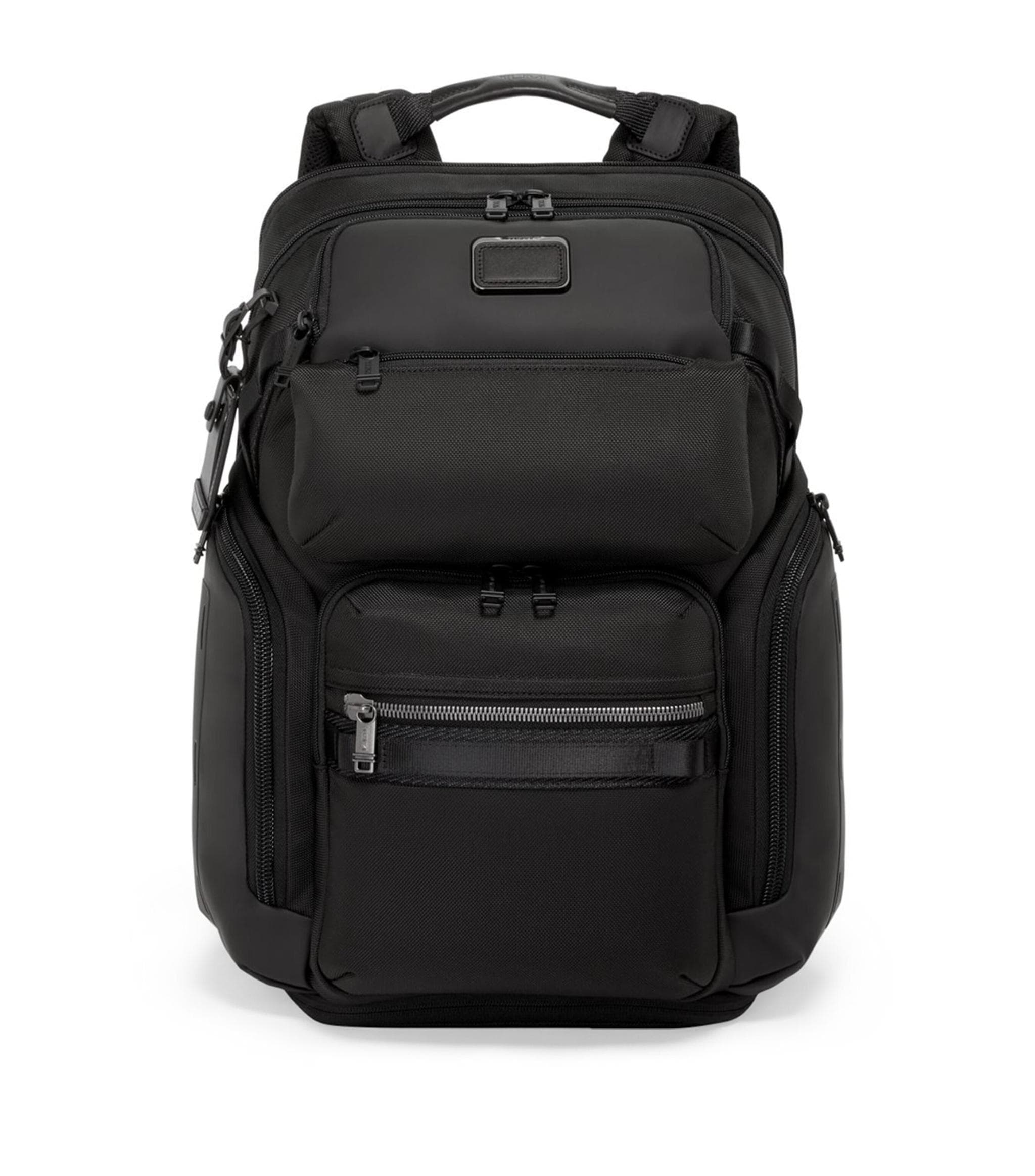
TumiAlpha Bravo Navigation Weekender Bag
Military-grade FXT Ballistic Nylon construction, dedicated 15-inch laptop compartment, and waterproof shoe storage.